
Rooted in nature, driven by community
- Jan 15
- 4 min read
Living in North Queensland means living with extremes, but it also means living with nature. And that’s our greatest asset.
“I haven’t felt so hot in a long time and I lived all my life in the tropics. But how much of that is just me getting old? Because when I grew up here, no one had air conditioning or even fans.”
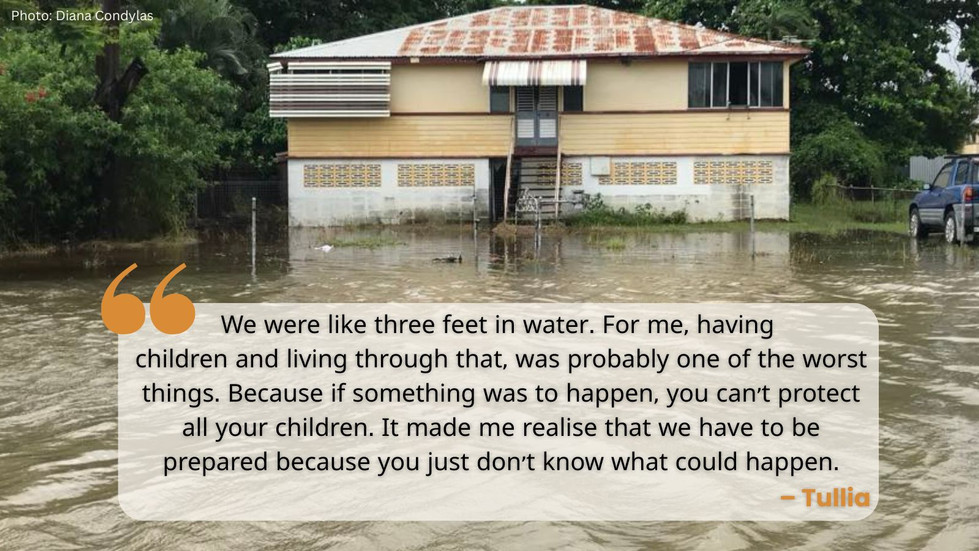
In 2024, North Queensland Conservation Council (NQCC) hosted a series of community story circles to hear firsthand how people in Townsville are coping with climate events.
These weren’t debates. They were safe spaces for sharing stories of fatigue, of resilience, and of the subtle, creeping changes that mark life shaped by longer heatwaves, harder-hitting floods and cyclones.



Explore experiences shared in an interactive report from the story cirlces.
For NQCC, the peak environmental body in our region, their work isn’t just about protecting the environment. It’s about protecting the people who live there too.
Designing solutions that fit the place
Building on the insights gathered through the story circles, NQCC partnered with Sweltering Cities and Once Upon Tomorrow to host a heatwave adaptation workshop in Townsville.
The workshop brought together a diverse cross-section of the community, to answer the simple, but urgent question, “If longer, hotter, and more frequent heatwaves are the future, what can we do about it?”
The question wasn’t hypothetical. According to the National Climate Risk Assessment, Townsville is expected to face more extreme heat days, with heat-related deaths rising from a few each year to dozens, if temperatures warm 3°C above pre-industrial averages.
“Heatwaves kill more Australians than floods or cyclones, yet they’re still not recognised as natural disasters,” said NQCC Coordinator, Crystal Falknau.
Increased hospital admissions, mental health strain, and disruption to essential services, such as power and water, are some of the ripple effects that go beyond the thermometer.
“The workshop identified practical, place-based solutions, and one of our greatest assets in the Dry Tropics surrounds us. Nature,” continues Crystal.
Armed with the stories and solutions, these insights formed the basis of an open letter to local and state government, calling for action.
“The time for climate adaptation is here, because the decisions we make now will shape how liveable North Queensland will be in the years and decades to come,” said Crystal.

Nature is our best defence
Townsville is surrounded by nature. The Great Barrier Reef is on our doorstep. Mangroves, seagrass meadows, and wetlands line the coast and creep into the urban landscape.
These ecosystems aren’t just beautiful; they’re doing vital work. Mangroves filter stormwater and protect coastlines. Urban forests lower street-level temperatures. Wetlands slow floods and clean water. Seagrass beds store carbon.
“When it comes to climate adaptation, these natured-based solutions don’t just work,” says Crystal, “they’re cost effective, scalable and already here.”
“We need to protect the nature we have, and look at ways to restore it and leverage it.”

It’s not just us facing the effects of weather events
Whilst we shelter indoors from torrential rain or heat, the waterways and ecosystems around us are bearing the brunt.
“Over the past few years, Townsville has experienced Tropical Cyclone Kirrily, record-breaking rainfall, and heatwaves, both on land and in the ocean,” said Executive Officer for the Healthy Waters Partnership, Kara-Mae Coulter-Atkins.
Warmer water holds less oxygen, leading to fish deaths and algal blooms that threaten drinking water. Marine heatwaves lead to coral bleaching, whereby corals lose the tiny algae that help keep them alive and seagrass struggle to survive.
“Extreme weather events often occur before, during or after another. Understanding how these impacts cascade, from catchment to coast to coral, is essential to support resilience across entire systems,” said Kara-Mae.
“And good water quality is a critical component of that.”

Stewardship for a changing climate
As part of the Healthy Waters Partnership, NQCC works alongside a growing network of local stewards whose efforts improve the resilience of ecosystems and the quality of water flowing to the Reef:
Coastal Dry Tropics Landcare Inc, MICDA and Townsville City Council are restoring creekside corridors to stabilise banks and reduce sediment.
NQ Dry Tropics is leading a project in the Town Common to remove para grass, an invasive species that chokes water bodies.
Tangaroa Blue Foundation and TIDY Up Townsville spearhead community clean-ups to tackle waste.
“Whether it’s planting trees, cleaning up your patch, or simply advocating for smarter planning in your neighbourhood, there’s a role for everyone. And across our Partnership, there are many ways for you to roll up your sleeves and lend a hand,” said Kara-Mae.
As the climate shifts, so too must our response. In the Dry Tropics, that response is led by nature, but shaped by community. Together, we can build a city that’s climate-resilient and people-powered, ensuring the place we call home, can remain that into the future.


